
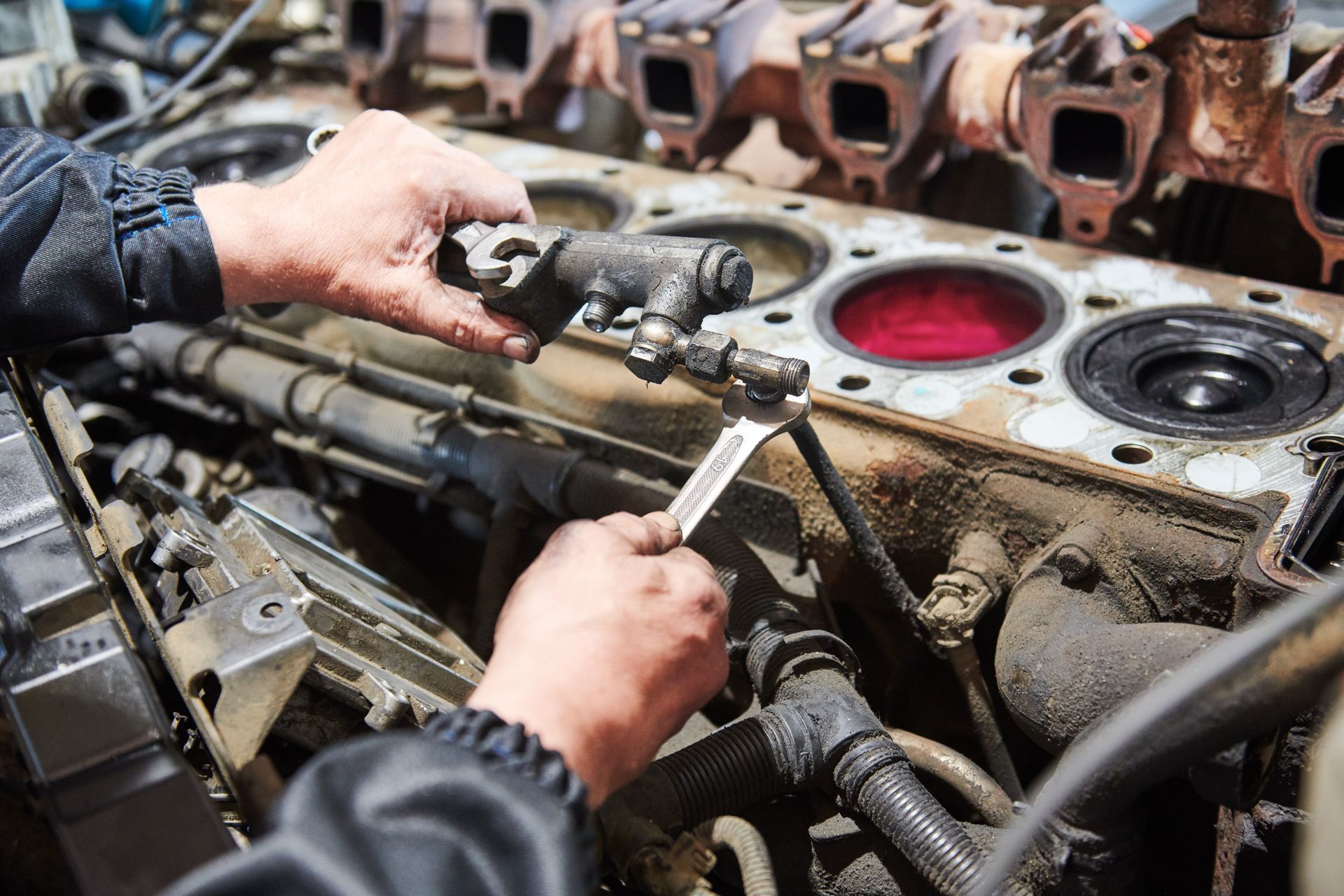
You can drive carefully and still wear your car down faster. That surprises many Pinellas Park drivers. Local roads, traffic patterns, and weather quietly shape how your engine and brakes age. Understanding this helps you plan smarter car maintenance and avoid sudden repairs. Stop-and-Go Traffic Strains Engines Daily Pinellas Park traffic rarely moves in long, steady stretches. Frequent stops force engines to work harder than drivers realize. Short trips prevent engines from reaching optimal temperature. This increases internal buildup and reduces efficiency over time. According to the U.S. Department of Energy, short trips create more engine wear than highway driving. That makes routine engine diagnostics especially important for local drivers. Early testing spots misfires, sensor issues, and timing concerns before damage spreads. Small checks now often prevent large repairs later. Braking Patterns: Accelerate Pad and Rotor Wear Local driving also means constant braking. School zones, intersections, and beach traffic demand frequent stops. Each stop generates heat and friction. Over time, that friction thins brake pads and warps rotors. AAA reports that worn brakes contribute to thousands of preventable accidents each year. That statistic alone shows why timely brake repair matters. Warning signs often appear early. Squealing, vibrations, or longer stopping distances should never be ignored. Heat, Humidity, and Road Conditions Add Pressure Florida's heat places extra stress on engines and braking systems. High temperatures thin fluids faster and reduce lubrication effectiveness. Humidity can lead to corrosion on brake components and sensors. Salt air near coastal routes adds to that risk. Potholes and uneven pavement also impact braking alignment. Sudden jolts place stress on calipers, lines, and suspension points. Consistent car maintenance offsets these local challenges. Regular inspections help catch wear patterns unique to Pinellas Park roads. Smart Habits That Reduce Local Wear Drivers can slow wear with a few consistent habits: Schedule engine diagnostics annually, even without warning lights Replace brake pads before grinding begins Avoid aggressive acceleration between short stops Keep fluids fresh to handle heat and humidity These steps protect performance and safety together. Your Local Repair Partner in Pinellas Park Local conditions demand local experience. That’s where professional insight makes a difference. At Platinum Wrench Auto Repair , we understand Pinellas Park driving realities. We provide trusted engine diagnostics, brake repair, and dependable car maintenance . If your vehicle feels off, let’s check it early. Schedule your inspection with us today and drive with confidence again.
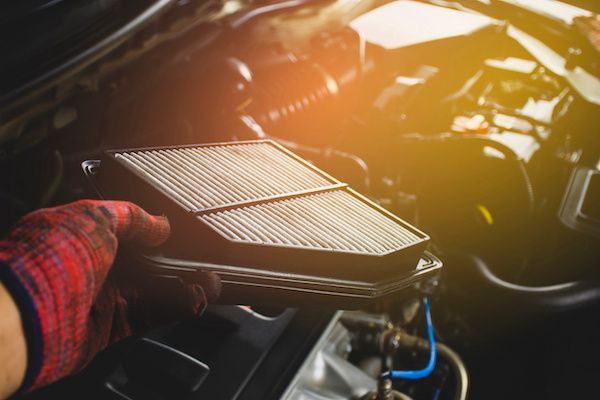
Florida drivers face unique challenges when it comes to vehicle air quality. High humidity, frequent pollen, dust from construction, and traffic pollutants combine to stress your car’s cabin air system. Many drivers overlook their cabin air filter until airflow slows or the AC struggles to cool. Yet, a clogged filter quietly reduces comfort, strains the A/C system, and can even impact long-term vehicle air conditioning performance. Understanding its role helps Pinellas Park drivers protect both interior air quality and the overall function of their vehicle air conditioning. How Cabin Air Filters Work Cabin air filters trap dust, pollen, and microscopic particles before they enter the passenger compartment. They are not just a comfort feature; they protect your HVAC system. In Florida, filters clog faster due to: High pollen counts in spring and summer. Moisture and humidity , which encourage mold growth. Road dust and debris from frequent stop-and-go traffic. When airflow is restricted, the AC system works harder , which can lead to reduced cooling efficiency and premature wear on components. Signs Your Cabin Air Filter Needs Attention Drivers often wait until airflow decreases, but early signs appear much sooner: Musty or unusual odors from vents. Reduced airflow when the fan is on high. Increased dust or pollen inside the cabin , visible on dashboard surfaces. Ignoring these signs can compromise driver comfort and even affect health, especially for passengers with allergies or respiratory issues. Impact on Vehicle Air Conditioning A clogged cabin filter can impact the entire A/C system: The compressor works harder , which can increase energy use and fuel consumption. Reduced airflow decreases cooling efficiency , leaving interiors warmer during hot Florida days. Moisture buildup can promote mold growth , leading to odors and potential contamination of HVAC components. Regular inspections and replacement of cabin air filters are critical steps in routine car maintenance. Benefits of Regular Cabin Air Filter Maintenance Replacing a cabin filter is a low-cost preventative measure that pays off in multiple ways: Maintains clean, fresh air inside your vehicle. Ensures efficient A/C operation during Florida’s hot months. Protects the HVAC system from unnecessary strain and potential costly repairs. Helps improve overall vehicle longevity and passenger comfort. At Platinum Wrench Auto Repair, we understand Florida driving conditions and their impact on your vehicle. Our team provides thorough cabin air filter inspections and replacements, ensuring your vehicle's air conditioning performs efficiently. We offer comprehensive car air conditioner repair and A/C system repair in Pinellas Park , helping you maintain a comfortable, healthy cabin environment. Schedule your service today to protect your AC system and improve air quality. Trust us to handle your car maintenance with care and expertise. We make affordable, reliable auto care easy. FAQs 1. Does a car really need a cabin air filter? Yes, a cabin air filter is essential for trapping dust, pollen, and pollutants. It helps maintain clean airflow inside the vehicle, protects the HVAC system, and improves driver comfort. In Florida, where pollen and dust levels are high, regular replacement is especially important to ensure proper vehicle air conditioning performance. 2. What are the different types of cabin air filters? Cabin air filters come in three main types: paper (basic particle filtration), activated carbon (traps odors and gases), and HEPA (high-efficiency filtration for fine particles). Each type offers different protection levels. Vehicle owners can choose based on air quality needs and local environmental conditions, such as urban pollution or high pollen areas. 3. Is an AC filter the same as a cabin filter? While some people use the terms interchangeably, a cabin air filter specifically cleans air entering the passenger compartment. An AC filter may sometimes refer to the same part, but in some vehicles, it also protects the HVAC system. Using the correct cabin filter ensures clean air and efficient vehicle air conditioning operation. 4. Can I run AC without a cabin air filter? Technically, the AC can operate without a cabin air filter, but it’s not recommended. Without a filter, dust, debris, and allergens enter the HVAC system and passenger compartment. This can reduce airflow, increase wear on the AC system, and degrade comfort. Regular filter replacement prevents these issues and maintains proper car air conditioner repair.

You might have felt it before. A sudden warning light, or your car feels slightly “off” during turns. Many drivers misinterpret these signs, but often the culprit is the steering angle sensor. Modern vehicles rely on this small but essential component to keep your car stable, especially in wet conditions or sharp turns. In Florida, where sudden rainstorms and city traffic are common, understanding steering angle sensor function can prevent accidents and costly repairs. At Platinum Wrench Auto Repair, we’ve seen countless vehicles exhibiting unusual behavior that traced back to miscalibrated or failing sensors. What is a Steering Angle Sensor? A steering angle sensor (SAS) measures the position and rate of turn of the steering wheel. This data feeds the vehicle’s stability control and traction systems, helping prevent skids or loss of control. Key functions include: Determining the steering wheel position relative to the wheels. Supporting Electronic Stability Control (ESC) to prevent spin-outs. Communicating with the traction control to manage wheel slip. Aiding adaptive systems like lane-keeping assist. Even though it’s small, the sensor directly affects your safety. A drifting or failing sensor can make braking and cornering unpredictable. Common Symptoms of a Faulty Steering Angle Sensor Drivers often misread the warning signs. Some of the most common symptoms include: ESP/ESC warning light: Often appears on the dashboard without a clear reason. Unstable cornering: Vehicle sways or feels loose in turns. Incorrect steering wheel alignment: Even when wheels are straight, the car may pull slightly. Traction control issues: Systems may engage unnecessarily or fail to activate. Ignoring these signs can result in increased wear on tires, suspension components, and braking systems. Why Steering Angle Sensors Fail Several factors contribute to sensor issues: Physical impact: Minor collisions or hitting curbs can jar the sensor. Electrical faults: Corrosion or damaged wiring affects signal accuracy. Calibration drift: Over time, sensors can lose proper alignment. Component aging: Like any electronic part, sensors can degrade. Even if your car passes visual inspection, an uncalibrated SAS can compromise stability. How Failing SAS Impacts Vehicle Handling A misbehaving sensor doesn’t just trigger warning lights. It actively affects vehicle dynamics . When the ESC receives inaccurate steering data: Braking may be uneven during cornering. Traction control might engage incorrectly, causing sudden jerks. Lane-keeping assistance may fail or overcompensate. For city driving in Pinellas Park, this can turn a routine turn into a risky maneuver, especially in rain or heavy traffic. Diagnosing Steering Angle Sensor Issues Professional automotive diagnostics are essential. At Platinum Wrench Auto Repair, we use advanced tools to: Read live steering angle data. Verify sensor calibration. Detect wiring or connection faults. Reset and recalibrate systems as needed. DIY fixes are rarely effective. Sensors require precision calibration to ensure the ESC and traction systems respond correctly. Preventing Sensor-Related Issues Routine car maintenance can extend the life of your steering angle sensors: Schedule regular car maintenance in Pinellas Park with a certified car mechanic. Check alignment and suspension components during every oil change. Keep the steering column clean and free from moisture. Address dashboard warnings promptly. Ignoring minor sensor drift can escalate into expensive repairs involving ESC modules, steering components, or tires. When to Seek Professional Help If you notice warning lights, uneven steering, or traction control anomalies, contact a qualified car mechanic in Pinellas Park immediately. Our team can assess whether the sensor is faulty, miscalibrated, or if other components are contributing to the issue. We recommend consulting us if: The ESC warning light remains on after restarting the car. Your vehicle exhibits unusual handling during normal turns. Traction or lane-assist systems act erratically. Early intervention prevents more extensive damage and keeps your vehicle safe on Florida roads. Key Takeaways Steering angle sensors play a vital role in maintaining stability control and ensuring safe turning. When these sensors become misaligned or fail, vehicles can exhibit warning lights, swaying, or uneven braking. Regular inspections and consistent car maintenance in Pinellas Park help prevent sensor drift and reduce the risk of accidents. Relying on professional diagnostics and recalibration ensures long-term vehicle safety and keeps steering systems functioning correctly. The Platinum Wrench Advantage At Platinum Wrench Auto Repair, we specialize in affordable and reliable automotive services. We combine expertise with precision automotive diagnostics to restore sensor performance and vehicle stability. Our process includes: Full diagnostic scan of steering and stability systems. Sensor recalibration and wiring inspection. Test driving to confirm proper function. Preventive maintenance advice tailored to city driving conditions. We help drivers maintain their vehicles’ safety systems efficiently and affordably. Reach Out to Platinum Wrench in Pinellas Park Today! If your vehicle shows unusual steering behavior or warning lights, trust our affordable mechanic team in Pinellas Park. Call us at Platinum Wrench Auto Repair today for expert evaluation and reliable automotive services . Don’t compromise your safety! Schedule your appointment now. FAQs 1. When should a steering angle sensor be reset? A steering angle sensor should be reset after wheel alignment, suspension repairs, or any time the steering system is serviced to ensure proper stability control. 2. What happens when a steering angle sensor goes bad? A faulty sensor can trigger warning lights, cause erratic stability control behavior, and make turns feel unstable or less responsive. 3. How do you fix a steering angle sensor? Fixing a sensor typically involves recalibration or replacement. A professional car mechanic can perform diagnostics and ensure accurate steering input readings. 4. What are the different types of steering angle sensors? Common types include potentiometer-based sensors, magnetic sensors, and rotary encoder sensors, each designed to measure steering wheel position for stability systems.