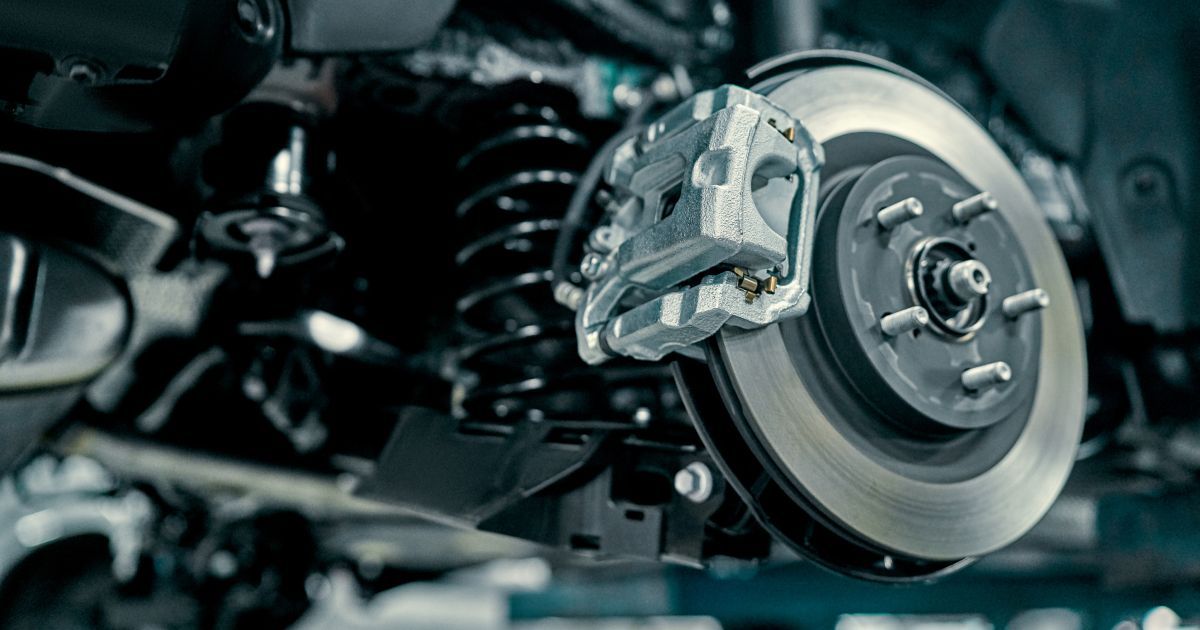
You can drive carefully and still wear your car down faster. That surprises many Pinellas Park drivers. Local roads, traffic patterns, and weather quietly shape how your engine and brakes age. Understanding this helps you plan smarter car maintenance and avoid sudden repairs. Stop-and-Go Traffic Strains Engines Daily Pinellas Park traffic rarely moves in long, steady stretches. Frequent stops force engines to work harder than drivers realize. Short trips prevent engines from reaching optimal temperature. This increases internal buildup and reduces efficiency over time. According to the U.S. Department of Energy, short trips create more engine wear than highway driving. That makes routine engine diagnostics especially important for local drivers. Early testing spots misfires, sensor issues, and timing concerns before damage spreads. Small checks now often prevent large repairs later. Braking Patterns: Accelerate Pad and Rotor Wear Local driving also means constant braking. School zones, intersections, and beach traffic demand frequent stops. Each stop generates heat and friction. Over time, that friction thins brake pads and warps rotors. AAA reports that worn brakes contribute to thousands of preventable accidents each year. That statistic alone shows why timely brake repair matters. Warning signs often appear early. Squealing, vibrations, or longer stopping distances should never be ignored. Heat, Humidity, and Road Conditions Add Pressure Florida's heat places extra stress on engines and braking systems. High temperatures thin fluids faster and reduce lubrication effectiveness. Humidity can lead to corrosion on brake components and sensors. Salt air near coastal routes adds to that risk. Potholes and uneven pavement also impact braking alignment. Sudden jolts place stress on calipers, lines, and suspension points. Consistent car maintenance offsets these local challenges. Regular inspections help catch wear patterns unique to Pinellas Park roads. Smart Habits That Reduce Local Wear Drivers can slow wear with a few consistent habits: Schedule engine diagnostics annually, even without warning lights Replace brake pads before grinding begins Avoid aggressive acceleration between short stops Keep fluids fresh to handle heat and humidity These steps protect performance and safety together. Your Local Repair Partner in Pinellas Park Local conditions demand local experience. That’s where professional insight makes a difference. At Platinum Wrench Auto Repair , we understand Pinellas Park driving realities. We provide trusted engine diagnostics, brake repair, and dependable car maintenance . If your vehicle feels off, let’s check it early. Schedule your inspection with us today and drive with confidence again.
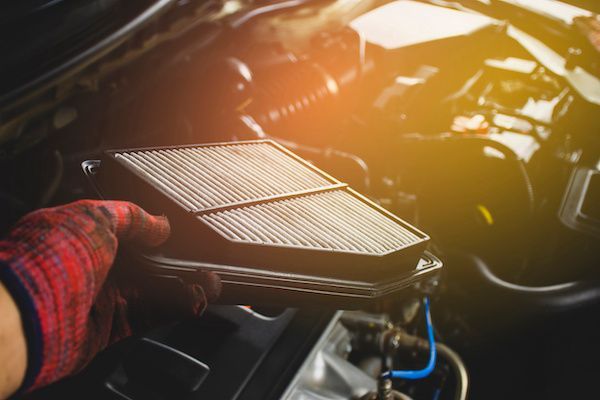
Florida drivers face unique challenges when it comes to vehicle air quality. High humidity, frequent pollen, dust from construction, and traffic pollutants combine to stress your car’s cabin air system. Many drivers overlook their cabin air filter until airflow slows or the AC struggles to cool. Yet, a clogged filter quietly reduces comfort, strains the A/C system, and can even impact long-term vehicle air conditioning performance. Understanding its role helps Pinellas Park drivers protect both interior air quality and the overall function of their vehicle air conditioning. How Cabin Air Filters Work Cabin air filters trap dust, pollen, and microscopic particles before they enter the passenger compartment. They are not just a comfort feature; they protect your HVAC system. In Florida, filters clog faster due to: High pollen counts in spring and summer. Moisture and humidity , which encourage mold growth. Road dust and debris from frequent stop-and-go traffic. When airflow is restricted, the AC system works harder , which can lead to reduced cooling efficiency and premature wear on components. Signs Your Cabin Air Filter Needs Attention Drivers often wait until airflow decreases, but early signs appear much sooner: Musty or unusual odors from vents. Reduced airflow when the fan is on high. Increased dust or pollen inside the cabin , visible on dashboard surfaces. Ignoring these signs can compromise driver comfort and even affect health, especially for passengers with allergies or respiratory issues. Impact on Vehicle Air Conditioning A clogged cabin filter can impact the entire A/C system: The compressor works harder , which can increase energy use and fuel consumption. Reduced airflow decreases cooling efficiency , leaving interiors warmer during hot Florida days. Moisture buildup can promote mold growth , leading to odors and potential contamination of HVAC components. Regular inspections and replacement of cabin air filters are critical steps in routine car maintenance. Benefits of Regular Cabin Air Filter Maintenance Replacing a cabin filter is a low-cost preventative measure that pays off in multiple ways: Maintains clean, fresh air inside your vehicle. Ensures efficient A/C operation during Florida’s hot months. Protects the HVAC system from unnecessary strain and potential costly repairs. Helps improve overall vehicle longevity and passenger comfort. At Platinum Wrench Auto Repair, we understand Florida driving conditions and their impact on your vehicle. Our team provides thorough cabin air filter inspections and replacements, ensuring your vehicle's air conditioning performs efficiently. We offer comprehensive car air conditioner repair and A/C system repair in Pinellas Park , helping you maintain a comfortable, healthy cabin environment. Schedule your service today to protect your AC system and improve air quality. Trust us to handle your car maintenance with care and expertise. We make affordable, reliable auto care easy. FAQs 1. Does a car really need a cabin air filter? Yes, a cabin air filter is essential for trapping dust, pollen, and pollutants. It helps maintain clean airflow inside the vehicle, protects the HVAC system, and improves driver comfort. In Florida, where pollen and dust levels are high, regular replacement is especially important to ensure proper vehicle air conditioning performance. 2. What are the different types of cabin air filters? Cabin air filters come in three main types: paper (basic particle filtration), activated carbon (traps odors and gases), and HEPA (high-efficiency filtration for fine particles). Each type offers different protection levels. Vehicle owners can choose based on air quality needs and local environmental conditions, such as urban pollution or high pollen areas. 3. Is an AC filter the same as a cabin filter? While some people use the terms interchangeably, a cabin air filter specifically cleans air entering the passenger compartment. An AC filter may sometimes refer to the same part, but in some vehicles, it also protects the HVAC system. Using the correct cabin filter ensures clean air and efficient vehicle air conditioning operation. 4. Can I run AC without a cabin air filter? Technically, the AC can operate without a cabin air filter, but it’s not recommended. Without a filter, dust, debris, and allergens enter the HVAC system and passenger compartment. This can reduce airflow, increase wear on the AC system, and degrade comfort. Regular filter replacement prevents these issues and maintains proper car air conditioner repair.

You might have felt it before. A sudden warning light, or your car feels slightly “off” during turns. Many drivers misinterpret these signs, but often the culprit is the steering angle sensor. Modern vehicles rely on this small but essential component to keep your car stable, especially in wet conditions or sharp turns. In Florida, where sudden rainstorms and city traffic are common, understanding steering angle sensor function can prevent accidents and costly repairs. At Platinum Wrench Auto Repair, we’ve seen countless vehicles exhibiting unusual behavior that traced back to miscalibrated or failing sensors. What is a Steering Angle Sensor? A steering angle sensor (SAS) measures the position and rate of turn of the steering wheel. This data feeds the vehicle’s stability control and traction systems, helping prevent skids or loss of control. Key functions include: Determining the steering wheel position relative to the wheels. Supporting Electronic Stability Control (ESC) to prevent spin-outs. Communicating with the traction control to manage wheel slip. Aiding adaptive systems like lane-keeping assist. Even though it’s small, the sensor directly affects your safety. A drifting or failing sensor can make braking and cornering unpredictable. Common Symptoms of a Faulty Steering Angle Sensor Drivers often misread the warning signs. Some of the most common symptoms include: ESP/ESC warning light: Often appears on the dashboard without a clear reason. Unstable cornering: Vehicle sways or feels loose in turns. Incorrect steering wheel alignment: Even when wheels are straight, the car may pull slightly. Traction control issues: Systems may engage unnecessarily or fail to activate. Ignoring these signs can result in increased wear on tires, suspension components, and braking systems. Why Steering Angle Sensors Fail Several factors contribute to sensor issues: Physical impact: Minor collisions or hitting curbs can jar the sensor. Electrical faults: Corrosion or damaged wiring affects signal accuracy. Calibration drift: Over time, sensors can lose proper alignment. Component aging: Like any electronic part, sensors can degrade. Even if your car passes visual inspection, an uncalibrated SAS can compromise stability. How Failing SAS Impacts Vehicle Handling A misbehaving sensor doesn’t just trigger warning lights. It actively affects vehicle dynamics . When the ESC receives inaccurate steering data: Braking may be uneven during cornering. Traction control might engage incorrectly, causing sudden jerks. Lane-keeping assistance may fail or overcompensate. For city driving in Pinellas Park, this can turn a routine turn into a risky maneuver, especially in rain or heavy traffic. Diagnosing Steering Angle Sensor Issues Professional automotive diagnostics are essential. At Platinum Wrench Auto Repair, we use advanced tools to: Read live steering angle data. Verify sensor calibration. Detect wiring or connection faults. Reset and recalibrate systems as needed. DIY fixes are rarely effective. Sensors require precision calibration to ensure the ESC and traction systems respond correctly. Preventing Sensor-Related Issues Routine car maintenance can extend the life of your steering angle sensors: Schedule regular car maintenance in Pinellas Park with a certified car mechanic. Check alignment and suspension components during every oil change. Keep the steering column clean and free from moisture. Address dashboard warnings promptly. Ignoring minor sensor drift can escalate into expensive repairs involving ESC modules, steering components, or tires. When to Seek Professional Help If you notice warning lights, uneven steering, or traction control anomalies, contact a qualified car mechanic in Pinellas Park immediately. Our team can assess whether the sensor is faulty, miscalibrated, or if other components are contributing to the issue. We recommend consulting us if: The ESC warning light remains on after restarting the car. Your vehicle exhibits unusual handling during normal turns. Traction or lane-assist systems act erratically. Early intervention prevents more extensive damage and keeps your vehicle safe on Florida roads. Key Takeaways Steering angle sensors play a vital role in maintaining stability control and ensuring safe turning. When these sensors become misaligned or fail, vehicles can exhibit warning lights, swaying, or uneven braking. Regular inspections and consistent car maintenance in Pinellas Park help prevent sensor drift and reduce the risk of accidents. Relying on professional diagnostics and recalibration ensures long-term vehicle safety and keeps steering systems functioning correctly. The Platinum Wrench Advantage At Platinum Wrench Auto Repair, we specialize in affordable and reliable automotive services. We combine expertise with precision automotive diagnostics to restore sensor performance and vehicle stability. Our process includes: Full diagnostic scan of steering and stability systems. Sensor recalibration and wiring inspection. Test driving to confirm proper function. Preventive maintenance advice tailored to city driving conditions. We help drivers maintain their vehicles’ safety systems efficiently and affordably. Reach Out to Platinum Wrench in Pinellas Park Today! If your vehicle shows unusual steering behavior or warning lights, trust our affordable mechanic team in Pinellas Park. Call us at Platinum Wrench Auto Repair today for expert evaluation and reliable automotive services . Don’t compromise your safety! Schedule your appointment now. FAQs 1. When should a steering angle sensor be reset? A steering angle sensor should be reset after wheel alignment, suspension repairs, or any time the steering system is serviced to ensure proper stability control. 2. What happens when a steering angle sensor goes bad? A faulty sensor can trigger warning lights, cause erratic stability control behavior, and make turns feel unstable or less responsive. 3. How do you fix a steering angle sensor? Fixing a sensor typically involves recalibration or replacement. A professional car mechanic can perform diagnostics and ensure accurate steering input readings. 4. What are the different types of steering angle sensors? Common types include potentiometer-based sensors, magnetic sensors, and rotary encoder sensors, each designed to measure steering wheel position for stability systems.
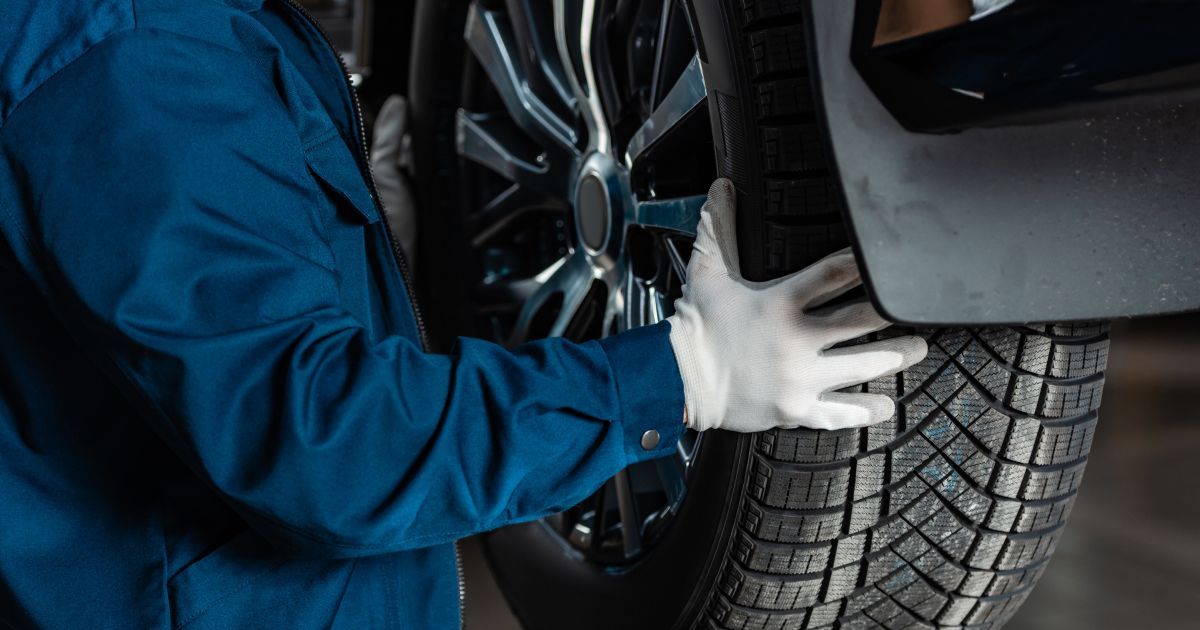
Few drivers realize how crucial wheel bearings are until they start causing problems. These small, durable components let wheels spin freely, but once they wear, their effects ripple through your vehicle. Steering may feel loose , braking distances can increase, and tires wear unevenly. On Florida roads, where heat and stop-and-go traffic stress suspension components, early detection is essential to maintain safety. Signs of Worn Wheel Bearings Worn bearings often give subtle hints before full failure: Humming or growling noises: A low-pitched hum while driving, especially around turns, often signals bearing wear. The noise may get louder at higher speeds. Vibration in the steering wheel: Loose or rough bearings transfer motion to the steering column, creating noticeable vibration during driving. Uneven tire wear: Bearings affect alignment stability. Misaligned wheels wear inner or outer tire edges faster, shortening tire lifespan. Pulling to one side while braking: Bearings impact hub stability. Uneven rotation may cause your vehicle to pull during braking, reducing control. Impact on Steering and Handling Wheel bearings directly influence how your car responds to driver input. When bearings wear: Steering feels less precise, making minor corrections more noticeable. The vehicle may wander slightly in lanes, increasing driver fatigue. Sudden maneuvers feel less stable, especially during emergency stops. Regular inspections by a trusted car mechanic in Pinellas Park can detect wear before steering problems escalate. Effect on Braking Worn bearings compromise braking performance: Uneven hub rotation affects rotor contact, slightly reducing braking efficiency. Braking vibrations may occur, particularly when stopping from high speeds. If ignored, bearing failure can damage rotors and suspension components, increasing repair costs. Timely brake checks and bearing inspections prevent expensive repairs and maintain vehicle safety. Consequences for Tire Wear Wheel bearings support smooth, aligned wheel rotation. When they fail: Tires may wear unevenly, even with proper inflation. Premature tire replacement becomes necessary, adding unnecessary expense. Misaligned rotation can mask other suspension issues, complicating diagnostics. Pinellas Park drivers who monitor bearing health protect both their tires and their investment in car maintenance. Prevention and Maintenance Schedule routine automotive diagnostics with a professional car mechanic. Inspect bearings at every major service, especially after high-mileage or rough driving conditions. Replace worn bearings promptly to prevent secondary damage to tires, brakes, and suspension. Schedule An Inspection Today! At Platinum Wrench Auto Repair, we help Pinellas Park drivers keep their wheel bearings, tires, and suspension in top condition. We provide thorough inspections, accurate automotive diagnostics , and timely tire replacement services . If you notice humming, vibration, or uneven tire wear, we recommend bringing your vehicle to us. Our team ensures your car handles safely, brakes efficiently, and your tires last longer. We pride ourselves on reliable automotive service with attention to detail. Contact us today! Let us help maintain your vehicle’s performance and your peace of mind today. FAQs 1. Can I drive a car with a bad wheel bearing? Driving with a worn wheel bearing is risky. It can cause wheel wobble, uneven tire wear, and reduced steering control. Prolonged use may lead to complete wheel failure. Early inspection and replacement by a qualified car mechanic prevent costly damage and keep you driving safely. 2. What do worn wheel bearings sound like? Worn wheel bearings often produce a humming, grinding, or growling noise that changes with vehicle speed. Turning can make the sound louder on one side. These subtle sounds are early warning signs that automotive diagnostics should catch before more severe steering or braking issues develop. 3. How do I know if I need a wheel bearing replacement? Signs include wheel vibration, uneven tire wear, unusual noises, and loose steering. If your car pulls to one side or braking feels off, a wheel bearing inspection is necessary. Timely replacement protects alignment, braking performance, and tires, extending overall vehicle lifespan. 4. Can bad alignment affect wheel bearings? Yes. Misaligned wheels place uneven stress on bearings, accelerating wear. Over time, this can cause noise, vibration, and premature tire damage. Regular wheel alignment services help prevent unnecessary bearing replacement and maintain safe handling.
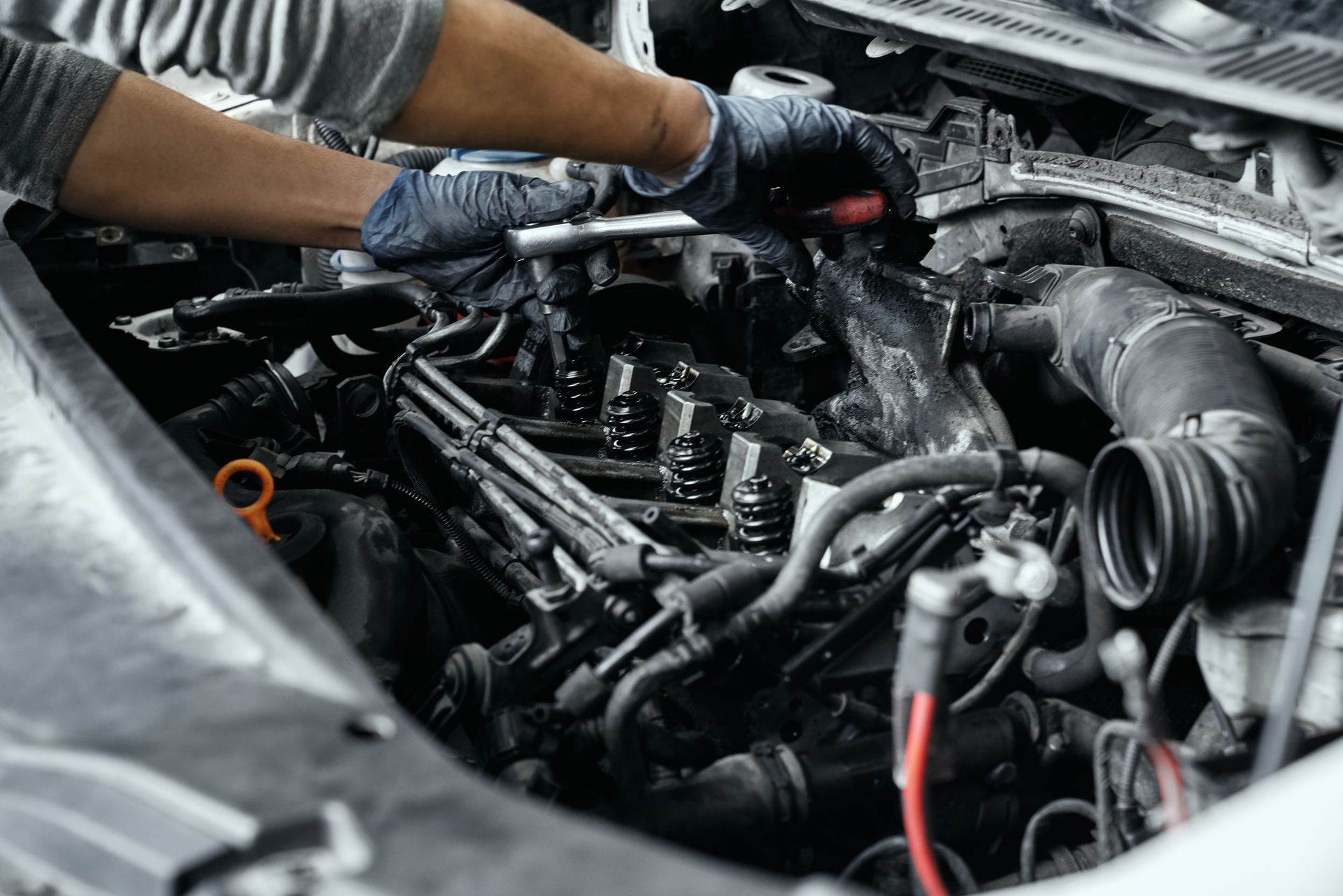
Most drivers think fuel problems come from bad gas. In reality, driving habits and heat cause more damage. Here in Florida, engines face constant heat stress. Add short trips, and problems build quietly over time. We see this daily at our auto shop in Pinellas Park. Vehicles arrive with rough idle, hesitation, and poor mileage. The root cause often surprises drivers. Direct injection fuel injectors clog faster in these conditions, and many drivers never realize why. Why Direct Injection Engines Are More Sensitive Modern engines use direct injection for better efficiency. Fuel sprays directly into the combustion chamber. This improves power and reduces emissions . However, this design has a drawback. Fuel no longer cleans intake valves like older systems did. Heat and residue stay behind after shutdown. Short trips make this worse. The engine rarely reaches full operating temperature. Deposits do not burn off properly. Florida heat speeds the process even further. High temperatures bake residue into hardened buildup. Over time, injectors lose spray precision. How Short Trips Create Long-Term Injector Problems Short trips seem harmless. They save time and fuel, right? Not exactly. Engines need sustained heat to stay clean. During short drives: Fuel does not fully vaporize Moisture remains inside the system Combustion temperatures stay inconsistent These conditions encourage carbon buildup. Direct injection injectors sit in extreme heat zones . Once deposits form, they stick aggressively. City driving in Pinellas Park creates the perfect storm. Stop-and-go traffic compounds the issue daily. What Florida Heat Does to Fuel Systems Heat changes how fuel behaves. Gasoline evaporates faster at high temperatures. When engines shut down hot: Fuel residue stays on the injector tips Vapors condense unevenly Carbon hardens instead of burning off Studies from the SAE International show that deposit formation increases significantly in high-heat environments during repeated short cycles. This is not a rare issue. It is a predictable outcome of local driving patterns. Early Warning Signs Drivers Often Miss Injector clogging does not fail overnight. Symptoms creep in slowly. Common signs include: Rough idle at stoplights Hesitation during acceleration Reduced fuel mileage Delayed throttle response Hard starts after sitting Many drivers blame spark plugs or sensors. Others assume it is normal engine aging. In reality, automotive diagnostics often reveal restricted injectors. Addressing the issue early prevents further engine strain. Why Ignoring Clogged Injectors Creates Bigger Problems Injectors control fuel delivery with extreme precision. Even slight restrictions throw off the combustion balance. When fuel delivery becomes uneven: Cylinders misfire under load Engine temperatures rise unevenly Emissions increase Fuel efficiency drops According to AAA research , neglected fuel system issues can reduce fuel economy by up to 15 percent. That loss adds up quickly for daily drivers. More importantly, engine stress increases over time. How Injector Servicing Restores Performance Injector servicing is not guesswork. Proper automotive diagnostics come first. We evaluate: Fuel trim data Misfire patterns Injector pulse behavior Combustion balance readings Once confirmed, professional cleaning restores spray patterns. This process removes hardened deposits safely. No shortcuts. No additives poured blindly into the tank. For many drivers, performance improvement is immediate. Idle smooths out. Throttle response returns. Mileage stabilizes again. Why City Drivers Need Preventive Injector Care Highway driving helps burn deposits away. City driving does the opposite. Drivers who rely on short trips should plan ahead. Preventive car maintenance reduces long-term repair costs. Recommended habits include: Periodic injector servicing Occasional longer drives when possible Consistent car maintenance intervals Monitoring mileage changes closely These steps protect modern engines from unnecessary strain. They also extend injector life significantly. The Role of Affordable, Reliable Service Injector problems often intimidate drivers. Many fear expensive repairs immediately. In reality, early service remains manageable. Preventive care costs far less than injector replacement. Working with an affordable mechanic makes a difference. Reliable automotive services focus on accuracy, not upselling. Pinellas Park drivers benefit most from early intervention. The sooner the issue is addressed, the better the outcome. Why Automotive Diagnostics Matter More Than Guessing Fuel additives promise easy fixes. They rarely address hardened injector deposits. True solutions start with automotive diagnostics. Data tells the full story. Without proper testing: Problems return quickly Fuel economy stays inconsistent Engine stress continues unnoticed We rely on evidence, not assumptions. That approach protects both vehicles and drivers. Long-Term Benefits of Injector Maintenance Consistent injector care supports: Smooth engine operation Stable fuel mileage Reduced emissions Lower long-term repair costs These benefits matter more in hot climates. Florida engines work harder year-round. Short trips will not disappear, but their impact can be controlled. When to Schedule an Injector Evaluation Drivers should consider injector diagnostics if: Idle feels rough at stops Acceleration feels delayed Mileage drops without explanation The engine feels less responsive Waiting rarely improves the situation. Early service prevents escalating issues. Trust Local Experience in Pinellas Park Local driving conditions matter. Heat, traffic, and short routes affect vehicles differently. We understand these patterns because we see them daily. Our focus stays on practical solutions that last. Car maintenance in Pinellas Park requires local insight. Generic advice does not always apply here. Schedule Injector Diagnostics With Confidence Fuel injector problems do not have to escalate. Clear answers come from proper testing. At Platinum Wrench Auto Repair, we specialize in accurate automotive diagnostics and reliable automotive services for modern engines. We help Pinellas Park drivers restore performance before damage spreads. Schedule an injector evaluation with Platinum Wrench Auto Repair today and keep your vehicle running smoothly in the Florida heat. FAQs 1. Does direct injection have fuel injectors? Yes. Direct injection engines use fuel injectors that spray fuel directly into the combustion chamber for more precise fuel delivery and improved efficiency. 2. What are the disadvantages of direct fuel injection? Direct fuel injection can lead to faster carbon buildup on intake valves, higher maintenance costs, and potential injector clogging if not serviced regularly. 3. How long do direct injection fuel injectors last? With proper maintenance, direct injection fuel injectors typically last 80,000–200,000 miles. Short trips, poor fuel quality, and heat can shorten their lifespan. 4. Is direct injection better than EFI? Direct injection offers better fuel efficiency, power, and emissions control compared to traditional EFI. However, it may require more frequent maintenance to avoid buildup and injector issues.
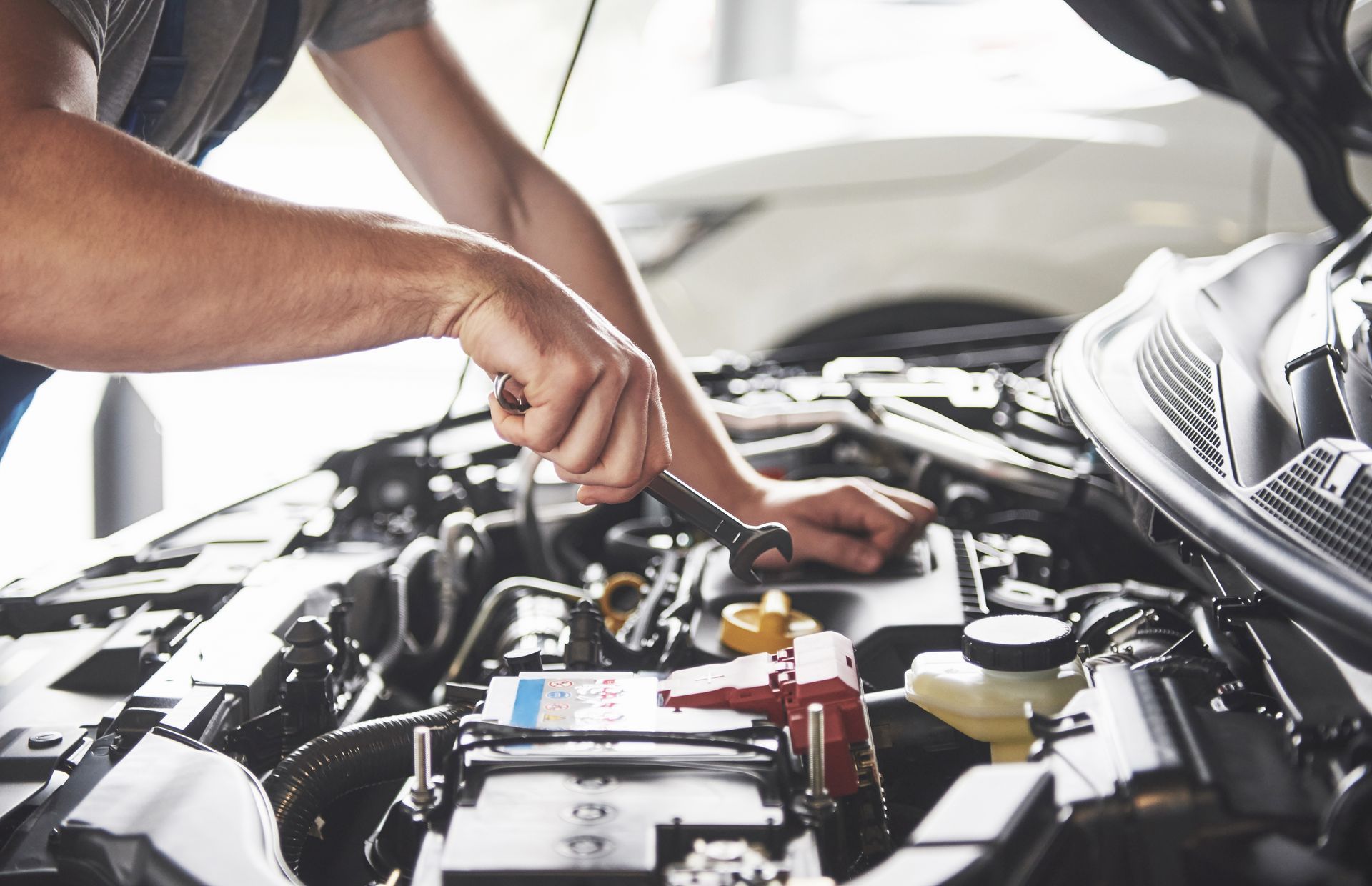
You’re driving to work when a warning light flickers on. Most people ignore it. That’s how small problems grow expensive. In Pinellas Park, heat, humidity, and stop-and-go traffic are hard on vehicles. Staying ahead of car maintenance saves stress, time, and money. Below are practical tips every local driver should follow. 1. Stay Consistent With Oil and Fluid Checks Oil keeps your engine alive. Low or dirty oil increases wear fast. AAA reports that neglected maintenance costs drivers up to $1,200 more per year in repairs. Coolant, brake fluid, and transmission fluid matter just as much. Check levels monthly. Schedule oil service on time, not late. 2. Don’t Ignore Dashboard Warning Lights That light is not a suggestion. It’s your car asking for help. Modern automotive diagnostics catch issues early. Sensors detect misfires, emissions problems, and failing components before breakdowns happen. According to the Car Care Council , six out of ten vehicles have at least one maintenance issue that needs attention. Early diagnostics reduce repair costs significantly. 3. Tire Care Is About Safety, Not Just Mileage Florida heat increases tire pressure quickly. Under- or over-inflated tires wear unevenly and reduce control. Check pressure monthly. Rotate tires every 5,000–7,500 miles. The National Highway Traffic Safety Administration links poor tire maintenance to thousands of crashes every year. This step protects your family and your wallet. 4. Replace Filters More Often Than You Think Air filters affect fuel economy and engine health. Cabin filters affect breathing comfort inside your car. Dirty filters strain systems and lower performance. They’re inexpensive but powerful fixes. This is one of the simplest forms of affordable auto repair. 5. Trust Preventive Inspections, Not Guesswork Many drivers wait for noises or smells. That’s already late. Routine inspections catch leaks, worn belts, and brake issues early. Preventive care keeps small fixes from turning into major repairs. When You Need Help, We’re Here Car care shouldn’t feel overwhelming. We make it clear, honest, and stress-free. At Platinum Wrench Auto Repair , we help Pinellas Park drivers stay safe and confident. We focus on reliable auto service , accurate automotive diagnostics , and affordable auto repair that makes sense. Call us today . Let’s keep your car ready for every mile ahead.
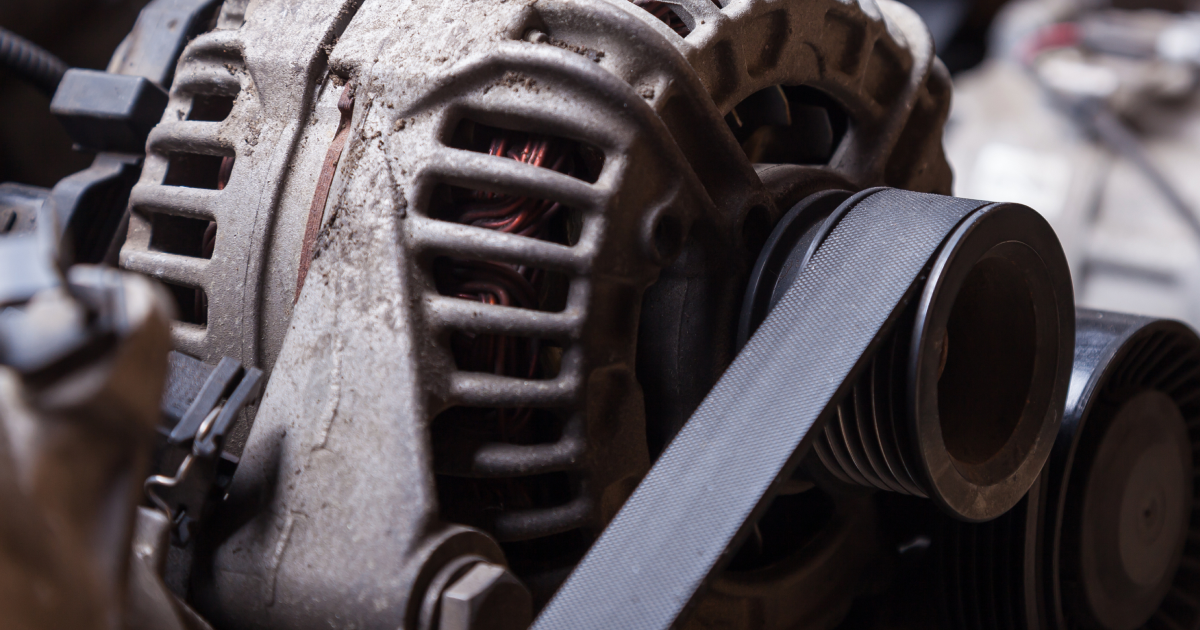
It’s a common scenario: you turn the key, and your car struggles to start. Most drivers immediately blame the battery, but in many cases, the real culprit is a weak alternator. Alternators charge the battery and power electrical systems while the engine runs. When they fail, battery warning lights, dim headlights, and starting issues can appear identical to battery problems . Understanding the difference is essential for Pinellas Park drivers to avoid unnecessary car battery replacement and ensure long-term vehicle reliability. How Alternator Issues Present Like Battery Failure Weak alternators often create symptoms that mimic dead or failing batteries. Drivers may notice: Dim or flickering lights: Headlights, interior lights, or dashboard indicators may dim while idling. No-start conditions: The engine may crank slowly or fail to start even with a fully charged battery. Electrical malfunctions: Power windows, radios, or air conditioning may work intermittently or fail. These signs occur because the alternator is unable to maintain a consistent voltage. Over time, the battery is drained trying to compensate. Many car owners assume a battery swap is needed when the real issue lies in the charging system. Why Proper Testing Matters Testing both the battery and alternator is critical. At our Pinellas Park automotive diagnostics center, we use multi-point testing to identify voltage fluctuations, current output, and charging efficiency. This process ensures: Accurate diagnosis: You only replace the component that’s actually failing. Cost savings: Avoid replacing a healthy battery unnecessarily. Reliable car maintenance: Prevent further electrical damage caused by inconsistent power delivery. Factors That Accelerate Alternator Wear Certain conditions common in Florida can shorten alternator life: High heat: Engine bays reach extreme temperatures, stressing internal components. Stop-and-go traffic: Constant electrical demand in city driving creates an extra load on the alternator. Accessory overload: Frequent use of vehicle air conditioning, audio systems, and charging devices strains the charging system. Addressing alternator issues early prevents cascading problems and keeps your vehicle’s electrical system stable. Signs You Should Not Ignore If you notice any of these indicators, it’s time for a professional evaluation: Battery warning light on the dashboard Slow or hesitant engine cranking Flickering dashboard or exterior lights Strange whining or grinding noises near the engine Ignoring these signs can lead to full battery failure, leaving you stranded, or costly alternator replacement if damage progresses. At Platinum Wrench Auto Repair, we provide complete automotive diagnostics and affordable auto repair for all your electrical and charging system needs. If your car shows signs of a weak alternator or unpredictable electrical behavior, we can test and repair it efficiently. We also offer car battery replacement and full maintenance services to keep your vehicle performing reliably. Trust us to ensure your car operates smoothly without unnecessary replacements. Get in touch today for professional diagnosis and dependable service. FAQs 1. Will a weak alternator affect performance? Yes, a weak alternator can impact overall vehicle performance. Electrical components such as lights, infotainment, and ignition rely on proper voltage. Drivers may notice dimming headlights, slower power accessories, or stalling. 2. What are some symptoms of low alternator output? Common signs include a dimming dashboard, flickering lights, slow or unresponsive electrical accessories, and a dead battery despite recent replacement. The engine may stall or hesitate. Regular checks by a local garage can identify low alternator output before it leads to more costly repairs or car maintenance issues. 3. Can I drive with a weak alternator? Driving with a weak alternator is risky. Electrical systems may fail unexpectedly, causing lights to dim, the engine to stall, or the battery to drain. Short trips might be manageable, but long drives can leave you stranded. 4. How to fix the voltage drop between the alternator and the battery? Voltage drops often result from corroded connections, loose terminals, or damaged cables. Cleaning terminals, tightening connections, or replacing worn wires can restore proper flow. If problems persist, an alternator replacement may be necessary.
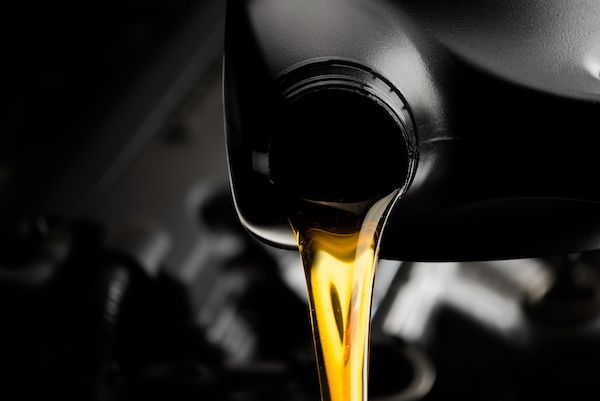
It’s easy to overlook a car oil change , especially when your car still runs smoothly. Yet in Florida’s high temperatures, extending oil intervals can silently damage engines. Heat accelerates oil breakdown, forming sludge that clogs passages and starves vital components. Drivers often don’t notice until performance drops or costly repairs loom. Modern engines rely on oil for lubrication, cooling, and cleaning. Over time, oil oxidizes, thickens, and loses its protective properties. In stop-and-go traffic and hot climates, this process accelerates. Sludge forms along lifters, camshafts, and valve covers, reducing flow and causing uneven wear. Signs of Oil Sludge Buildup Car owners can often detect early sludge formation with careful observation: Dark, gritty oil: Normal oil darkens with use , but sludge appears thick and pasty, sticking to dipsticks and oil caps. Engine noise: Sludge reduces lubrication, leading to ticking or knocking sounds, especially at startup. Reduced performance: Hesitation, rough idling, or decreased fuel efficiency may signal restricted oil flow. Check engine lights: Sensors may detect abnormal pressure or temperature readings related to sludge accumulation. Why Florida Drivers Face a Higher Risk High ambient temperatures stress engine oil more than mild climates. Combined with frequent stops, short trips, and idling, oil never reaches its optimal temperature for proper circulation. Short trips: The engine barely warms up, preventing condensation and contaminants from burning off. Traffic congestion: Constant braking and idling increase heat in the engine bay. High humidity: Moisture accelerates oxidation and sludge formation. Preventing Sludge with Timely Oil Change Service Regular car oil changes are the most effective defense against sludge. Using high-quality oil matched to the engine ensures optimal viscosity and protective additives. Professional oil change service in Pinellas Park often includes filter replacement, which captures debris and prevents further buildup. Follow manufacturer intervals: Stick to recommended mileage or time-based oil changes. Use high-temperature oils: Synthetic oils resist breakdown in Florida heat. Inspect oil regularly: Dark, thick oil or unusual engine noises deserve immediate attention. Benefits of Routine Oil Maintenance Timely service keeps engines running efficiently and reduces repair costs: Maintains proper lubrication and cooling. Preserves fuel efficiency. Extends engine life by preventing sludge-related damage. Reduces the risk of expensive repairs like clogged lifters or damaged valves. At Platinum Wrench Auto Repair, we understand how Florida's heat affects engine oil. We offer professional car oil change services, using high-quality oils and filters to protect engines from sludge. Our team provides thorough inspections during every service, helping customers avoid costly engine damage. For reliable oil change service in Pinellas Park, trust us to maintain your vehicle’s health. Schedule your car oil change today and drive with confidence, knowing your engine is protected against heat-related sludge buildup. FAQs 1. How often should car oil be changed? Most vehicles benefit from an oil change every 5,000 to 7,500 miles, depending on manufacturer recommendations, driving conditions, and oil type. Frequent stop-and-go driving or extreme heat may require more frequent changes to protect engine performance. Regular oil checks help maintain proper lubrication and prevent sludge buildup. 2. At what km should oil be changed? Typically, oil changes are recommended every 8,000 to 12,000 kilometers. High-heat climates, heavy traffic, or towing can shorten this interval. Following the vehicle’s service schedule ensures optimal engine health and reduces the risk of early wear or damage. 3. Can you go 2 years without changing oil? No, going two years without an oil change can severely damage your engine. Oil degrades over time, even without mileage, causing sludge, corrosion, and reduced lubrication. Regular oil changes prevent costly repairs and keep your car running efficiently. 4. What are the first signs of low oil? Early signs include engine ticking or knocking sounds, dashboard oil warning lights, and reduced performance. Dark or dirty oil on the dipstick is also an indicator. Addressing low oil promptly helps prevent overheating and long-term engine damage.

Most drivers assume overheating always means low coolant. That assumption causes many Florida breakdowns. We see it weekly at our automotive repair shop in Pinellas Park. The temperature gauge climbs. Warning lights appear. Coolant levels look perfectly fine. The real problem often hides in plain sight. It is the thermostat. Modern vehicles rely on electronic thermostats , not simple mechanical valves. When these components fail, engines overheat silently and inconsistently. No leaks. No puddles. Just rising heat and growing internal strain. This is one of the most misunderstood issues in car maintenance in Pinellas Park that drivers face. Why Overheating Without Coolant Loss Confuses Drivers Most auto owners know to check the coolant first. That advice still matters, but it is no longer complete. Today’s vehicles use sensors, control modules, and electronically controlled thermostats. When one signal goes wrong, temperature control breaks down. According to AAA , cooling system failures remain a leading cause of roadside breakdowns in the U.S. Many of those cases involve thermostat or sensor faults rather than coolant loss. The engine still has coolant. It just cannot regulate heat correctly. That distinction matters. What a Modern Thermostat Actually Does Older thermostats opened and closed mechanically. They responded only to temperature changes. Modern thermostats do much more. They: Receive commands from the engine control module Adjust flow based on load, speed, and emissions needs Help engines warm faster for efficiency Maintain tighter temperature ranges This improves fuel efficiency and emissions. It also introduces new failure points. When an electronic thermostat sticks or responds late, coolant flow becomes restricted. Heat builds fast, even with full coolant. This is where automotive diagnostics become essential. How Thermostats Fail Without Causing Leaks Thermostat failure rarely looks dramatic. It is quiet and gradual. Common failure modes include: Sticking closed under high temperatures Delayed opening during stop-and-go driving Sensor miscommunication with the control module Internal motor failure in electronic housings When this happens, coolant remains trapped longer than designed. Heat spikes during traffic, idling, or short trips. Florida heat makes this worse. Engines already operate near upper temperature limits here. Even small regulation errors push systems too far. Warning Signs Drivers Often Miss Thermostat issues do not always trigger immediate warning lights. That is why they get overlooked. Watch for these signs: Temperature rises mainly during idle or traffic Heat drops slightly while driving at highway speeds Cabin heater performance changes unexpectedly Cooling fans run longer than usual The temperature gauge fluctuates instead of rising steadily These symptoms point to flow control issues, not coolant loss. We see many drivers delay service because the car “cools back down.” That pattern is a red flag, not reassurance. Hidden Engine Stress You Cannot See Engines are built to handle heat. They are not built for inconsistent heat. Repeated temperature spikes cause long-term damage , including: Warped cylinder heads Premature gasket wear Oil breakdown from excess heat Reduced sensor accuracy Increased emissions output According to various data sources , overheating contributes to thousands of engine failures annually. Many start with minor cooling control issues. This damage builds quietly. By the time the engine fails, the thermostat issue is long forgotten. That is why preventive auto service matters. Why Florida Driving Accelerates Thermostat Failure Pinellas Park driving conditions are hard on cooling systems. Factors include: High ambient temperatures Frequent short trips Heavy traffic congestion Extended idle times High humidity affecting electrical components Electronic thermostats rely on clean signals and precise movement. Heat and moisture shorten their lifespan. Many Pinellas Park drivers often overlook thermostat testing during their routine car maintenance. Most services focus on fluids and belts. Testing control response requires proper automotive diagnostics equipment. How Proper Automotive Diagnostics Identify the Problem Thermostat failure cannot always be confirmed visually. That is where diagnostic testing matters. We use: Live temperature data tracking Coolant flow analysis Sensor response comparison Command vs actual thermostat position checks These tests show whether the thermostat responds correctly under real conditions. Guesswork does not work here. Replacing parts without confirmation wastes time and money. Accurate diagnostics protect the engine and your budget. Why Ignoring This Issue Costs More Later Thermostat replacement is usually straightforward. Engine repairs are not. Delaying service often leads to: Radiator damage Water pump strain Cooling fan failure Head gasket repairs Engine rebuilds AAA reports that average engine repair costs far exceed cooling system service costs. That gap grows wider the longer overheating continues. Addressing the thermostat early is smart automotive ownership. When to Schedule an Inspection We recommend a cooling system evaluation if: Overheating occurs with normal coolant levels Temperature rises mainly in traffic The issue repeats but resolves temporarily No visible leaks are present Warning lights appear inconsistently These patterns suggest regulation failure, not fluid loss. Ignoring them risks serious damage. How We Help Drivers Stay Ahead of Overheating At Platinum Wrench Auto Repair, we focus on accurate diagnosis first. We do not rely on assumptions. Our automotive repair approach includes: Full cooling system diagnostics Electronic thermostat testing Sensor and control verification Clear explanations without pressure We work with Florida driving conditions in mind. Our goal is reliability, not repeat repairs. Final Thoughts for Pinellas Park Drivers Overheating without coolant loss is not a mystery. It is a modern system issue. Electronic thermostats improve efficiency. They also require proper testing and timely replacement. When temperature behavior feels inconsistent, trust your instincts. Your engine is sending a warning. Schedule Expert Cooling System Service Today If your vehicle overheats despite normal coolant levels, we can help. We specialize in accurate automotive diagnostics and dependable automotive repair . Contact Platinum Wrench Auto Repair today. Let us inspect your cooling system before hidden damage begins. FAQs Q. What happens when the thermostat goes bad in a car? A bad thermostat can stick open or closed. This causes the engine to run too hot or too cool. Over time, this leads to overheating, poor fuel efficiency, weak cabin heat, and added engine wear. Q. How do I know if my thermostat is faulty in my car? Common signs include fluctuating temperature gauges, overheating without coolant loss, slow engine warm-up, or inconsistent cabin heat. Warning lights may also appear if engine temperatures fall outside normal ranges. Q. Will AC run if the thermostat is bad? Yes, the AC may still run, but performance can drop. A bad thermostat can cause engine overheating or incorrect temperature readings, which may force the system to limit AC output to protect the engine. Q. What does a thermostat do in a car? The thermostat regulates engine temperature by controlling coolant flow. It stays closed during warm-up, then opens to release heat. This balance helps protect the engine, improve efficiency, and maintain proper performance.
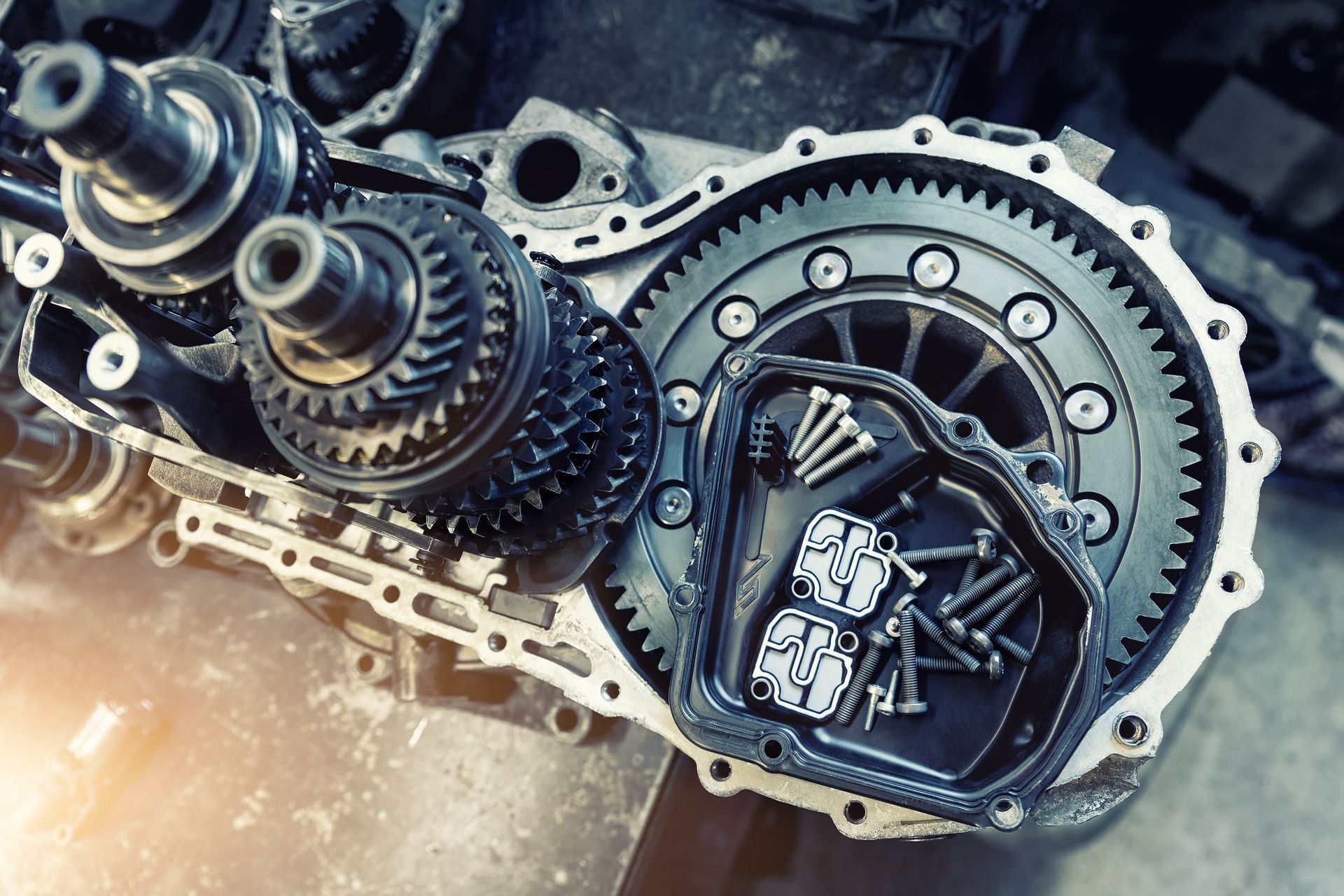
There’s a moment many drivers dismiss as “the car feeling weird” — a slight shudder when accelerating from a stop, a soft delay before the car pulls, or a faint burning smell after a long drive. Those first, easy-to-ignore symptoms often don’t begin in the transmission gears themselves; they begin inside the torque converter. The torque converter sits between the engine and the transmission and quietly does the job of matching engine speed to vehicle speed. When it starts to wear, the symptoms show up long before a full transmission failure. Spotting those early signs — and getting proper diagnosis — can save you thousands and keep your car on the road longer. At Platinum Wrench Auto Repair , our experienced mechanics emphasize early detection and precision repairs, keeping your vehicle running smoothly and reliably. What Is a Torque Converter The torque converter transfers power from the engine to the transmission using fluid dynamics. It multiplies torque at low speeds (helping with initial acceleration), dampens engine vibrations, and — in many modern vehicles — contains a lock-up clutch that creates a direct mechanical connection at cruising speed for efficiency. Because the converter relies on precise fluid flow and internal components (stator, impeller, turbine, clutch), any degradation changes how the whole driveline behaves. How Torque Converter Wear Turns Into Transmission Slippage Degraded hydraulic coupling: Worn vanes, damaged turbine or stator, or internal clearances that grow too large reduce the converter’s ability to transmit torque efficiently. The result: engine revs rise without matching acceleration — classic slippage. Lock-up clutch failure: The lock-up clutch can stick, slip, or fail to engage. If the clutch doesn’t lock cleanly at highway speeds, you may feel a shudder or reduced fuel efficiency . Contaminated or low fluid: Torque converters depend on clean, correctly leveled transmission fluid. Metal particles, varnish, or degraded fluid reduce hydraulic effectiveness and cause internal wear. Worn bearings or seals: Internal bearings let parts spin smoothly; seals contain the operating fluid. If bearings fail or seals leak, pressure and flow change and slippage can begin. Electrical/control issues: Many converters are managed by solenoids and the transmission control module (TCM). Faulty solenoids or wiring can prevent proper clutch engagement and mimic mechanical slippage. How Technicians Diagnose The Issue A trained mechanic doesn’t guess — they test. Typical diagnostic steps include: 1. Scan for trouble codes: Read stored and pending P-codes. Codes narrow the search. 2. Fluid inspection: Check level, color, smell, and for metal particles. Dirty or burnt fluid is a red flag. 3. Pressure and leak tests: Hydraulic pressure tests reveal weak pumps or leaks that affect converter operation. 4. Torque converter stall test / stall speed check: Measures how the engine behaves when the brakes are applied and the transmission is in drive; deviations indicate torque transfer problems. 5. Road test with data logging: Monitoring engine RPM, transmission behavior, and lock-up engagement reveals shudder points and slipping behavior. 6. Electrical checks: Test solenoids, wiring harnesses, and TCM signals controlling the torque converter clutch. Common Repairs And What They Involve Transmission fluid & filter service: If the fluid is dark or contaminated, a service may restore performance short-term and prevent further damage. Solenoid replacement or electrical repair: Faulty control components are a relatively inexpensive fix and can solve lock-up and engagement issues. Torque converter repair/replacement: If internal components are damaged or the clutch is failing, the converter must be removed. Replacing the converter is common — rebuilding is an option but not always recommended. Transmission overhaul: If converter failure has sent metal into the gearbox or caused additional wear, a more extensive transmission repair or rebuild may be necessary. Early Detection Matters: When to call a pro If you feel shuddering, consistent slipping, or notice transmission warning lights, don’t delay. Early detection of torque converter problems can save you from a full transmission rebuild . When addressed promptly, repairs often involve replacing the converter or its internal components rather than overhauling the entire transmission. As a leading auto repair shop in Pinellas Park, we perform comprehensive diagnostics to distinguish torque converter issues from other transmission problems. If you suspect torque converter trouble, schedule professional transmission torque converter repair diagnostics with Platinum Wrench Auto Repair . Our certified automotive technicians run targeted tests, explain findings plainly, and recommend the most cost-effective repair path. Book an inspection today — catch slippage early and protect your drivetrain. FAQ Can a bad torque converter cause total transmission failure? Yes. A failing torque converter can contaminate transmission fluid with metal particles and overheat the system, which can accelerate gearbox wear and eventually require major transmission repair. Is it safe to keep driving with a slipping torque converter? Short drives to an auto repair shop are usually okay, but prolonged driving with slipping, overheating, or shuddering risks further damage. Reduce load (no towing) and get it checked promptly. How long does a torque converter replacement take? Most conversions take one to two days depending on parts availability and whether the transmission must be removed. Diagnostics are typically done in a few hours. Will replacing the transmission fluid fix the torque converter shudder? If the symptom is caused by degraded fluid or contamination, a thorough fluid and filter service can help. However, if internal converter parts or the lock-up clutch are damaged, fluid change alone will not resolve the issue.